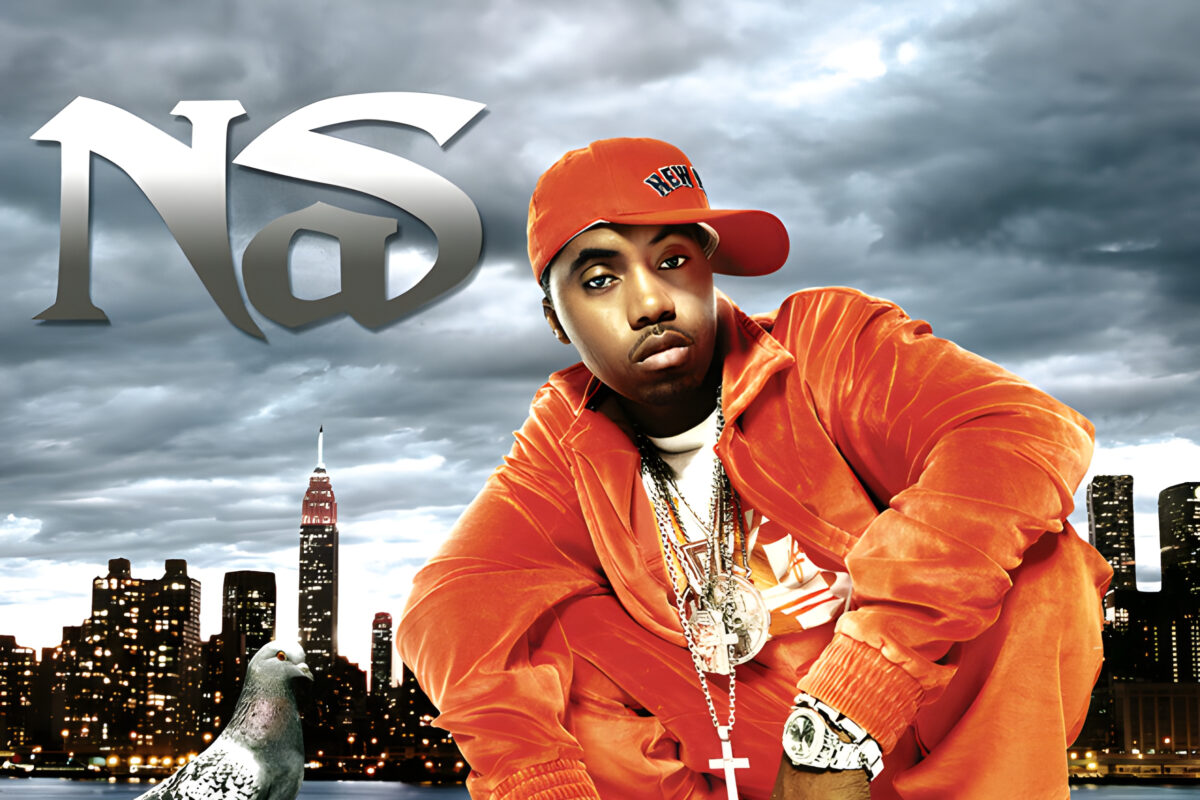



Released: 2001
Nas’ track “Ether” stands as one of the most iconic diss tracks in hip-hop history, primarily aimed at Jay-Z. The song delves into their rivalry, laying out personal insults and industry critiques. It’s not just about dissing another artist but making a bold statement of dominance in the hip-hop realm.
The song kicks off with a direct and abrasive address to Jay-Z. The phrase “Fuck Jay-Z” immediately sets the tone, suggesting that this will not be a subtle or reserved diss track. This bold opening signifies that Nas is unrestrained in his approach, ready to confront Jay-Z with unapologetic rawness.
Nas, with the opening hook, directly questions and belittles Jay-Z’s credibility and artistry. He insinuates that Jay-Z has been fixated on him, obsessed with his style, effectively stating that Jay-Z has built his career around what Nas originated. The line “I fuck with your soul like ether” is pivotal; here, “ether” symbolizes something that destroys or annihilates, suggesting Nas is confident his words will be deeply impactful and damaging to Jay-Z’s reputation.
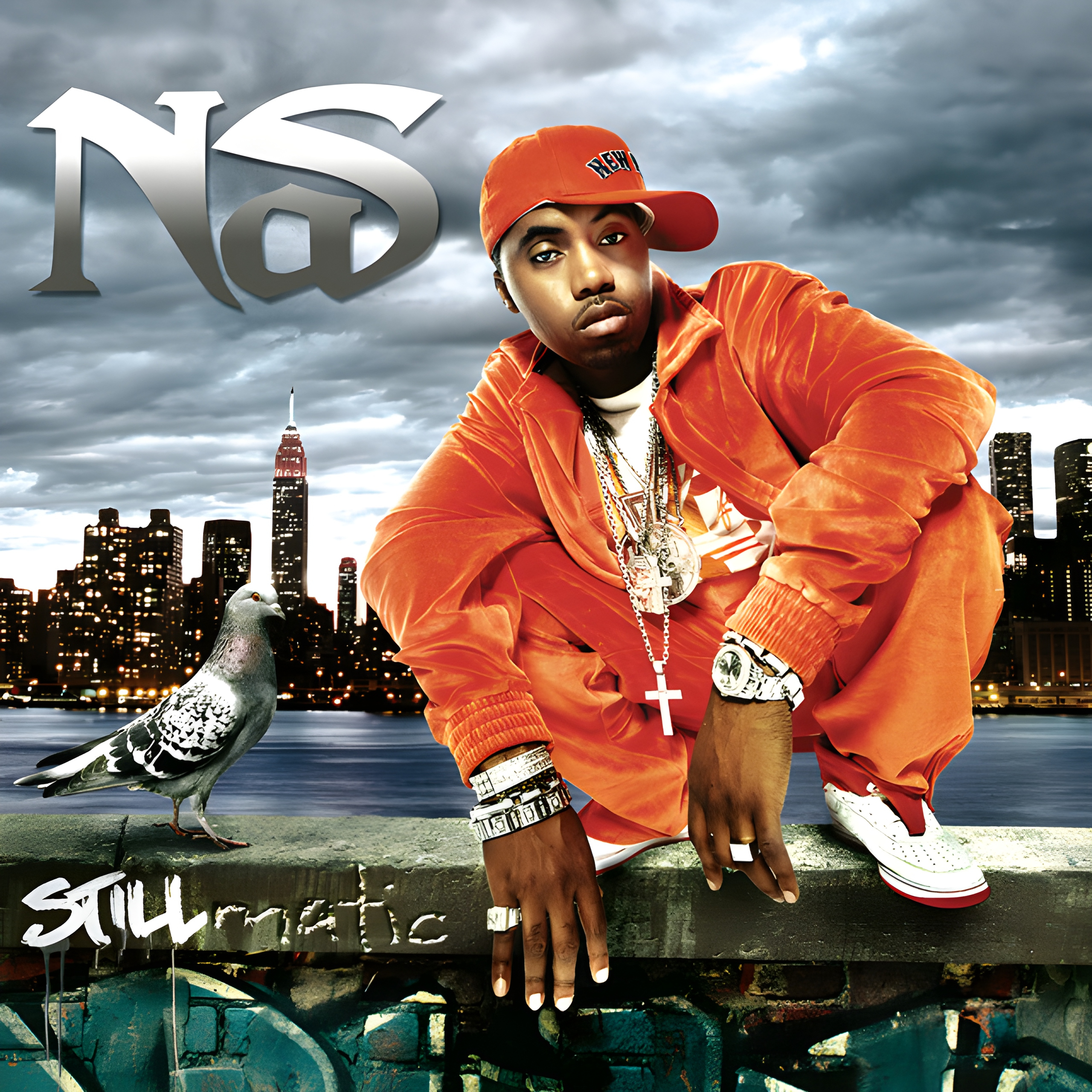
The chorus continues the narrative of destruction with a sequence of metaphoric statements: “(I) fuck with your soul like ether / (Will) teach you, the king, you know you / (Not) God’s Son across the belly / (Lose) I prove you lost already.” The use of the word “God’s Son” alludes to Nas himself, suggesting he embodies divinity or truth, further enforcing his supremacy in this battle. This clever use of parentheses to spell out “I will not lose” reflects his unyielding confidence.
Moving into the verses, Nas embarks on an aggressive tirade. He describes the anticipation surrounding his retaliation like awaiting results of an “AIDS test” – something crucial and life-altering. In stating “Ain’t no best, East, West, North, South, flossed out, greedy,” Nas implies that he’s above the regional rivalries that have historically plagued hip-hop, instead placing himself on an untouchable pedestal.
In the following lines, Nas accuses Jay-Z of plagiarism and unoriginality. The reference to “Hawaiian Sophie fame” and “Blueprint” album mocks Jay-Z’s artistic efforts as derivative. Nas also recounts moments where Jay-Z kept his “name in his music,” framing him as an opportunist feeding off Nas’ legacy to boost his career. The mention of “KRS already made an album called ‘Blueprint'” challenges Jay-Z’s claims to innovation.
Nas deepens his critique by turning personal, suggesting that Jay-Z traded his integrity for fame. Lines such as “traded your soul for riches” and “smiling in my face, glad to break bread with the God” insinuate betrayal, emphasizing Nas’ view of Jay-Z as someone who compromises personal values for financial gain. This part paints Jay-Z as not just an imitator but a friend turned foe, heightening the drama.
He further attacks Jay-Z’s street credibility, portraying him as a superficial gangster more concerned with superficial success than genuine hardship or struggle. Lines about “wearing Jaz chains, no Tecs, no cash, no cars” create an image of someone who is all about appearance without substance. This ties into the theme of authenticity that runs throughout the track.
Nas proceeds to challenge Jay-Z’s status in hip-hop by referencing other prominent figures like Biggie, implying that Jay-Z merely rides the coattails of past legends rather than standing as a unique icon himself. Mentioning that “Eminem murdered you on your own shit” references Jay-Z’s own admission of defeat to Eminem on the track “Renegade.”
“Ether” concludes with Nas questioning the loyalty and sincerity of those around Jay-Z, again reiterating the message that Jay-Z’s success is borrowed, his style influenced, and his alliances unstable. By closing with the line “You pop shit, apologize,” Nas paints Jay-Z as someone who frequently crosses boundaries only to retract his statements when faced with consequences.
“Ether” is significant not just for its lyrical dexterity and aggressive delivery but also for how it captures a pivotal moment in hip-hop history. The track didn’t just solidify Nas’ place in the rap game; it underscored the power of a well-executed diss track in shaping public perceptions of artists, highlighting the often volatile and competitive nature of the hip-hop industry.