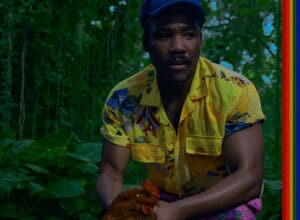



Released: 2024
“Atavista” by Childish Gambino is a reflection on the fleeting nature of life and the struggle to find meaning amid chaos. Through this song, Gambino touches upon themes of survival, existential anxiety, and the illusion of choice. It’s a narrative steeped in metaphorical imagery that speaks to the artist’s own experiences and observations.
The recurring hook “You think I’m crazy, but I’m high all the time” immediately draws listeners into the conflicting world Gambino navigates. This isn’t merely about substance use but can be seen as a metaphor for the constant state of heightened awareness and anxiety the artist feels. The ‘high’ becomes synonymous with coping mechanisms used to endure daily life.
Continuing, Gambino laments “And every day I wake, my life is on the line,” which suggests a constant threat or risk that is ever-present. This speaks to the pressures and expectations of maintaining a certain lifestyle, particularly in the public eye where every action could potentially be scrutinized. It embodies a perpetual sense of danger.

In the phrase “There are beasts untamed who will eat the young,” Gambino uses ‘beasts’ as a metaphor for the unyielding, predatory aspects of society. These ‘beasts’ are often systemic forces that exploit the naivety of youth. The line suggests that staying too long in such an environment leads to becoming a part of the very system that preys upon the innocent.
The mention of “If the drug is faint, then the high is low” hints at diminishing returns from escapism. This line metaphorically underlines the idea that superficial pleasures or distractions can no longer mask the deeper existential malaise when they begin to lose their effect.
Repetition of the word “Atavista” serves as an enigmatic focal point throughout the song. This term is not a common word in English, which could signify an imagined place or state of being, representing a form of ultimate truth or realization. Its repetition creates a mantra-like rhythm, embedding it into the listener’s psyche.
“This life is something that is more than a lie” adds a layer of existential commentary, questioning the authenticity of the world around us. Gambino suggests that beyond the facades presented by society, there is a deeper, perhaps unsettling, truth to be acknowledged.
When Gambino questions “The game we play ain’t fair, but play it, do we dare?” he highlights the inequities inherent in societal systems. This acknowledges a universal struggle, pointing out the disparity and ethical dilemmas people face when navigating life’s competitive nature.
In a critical social observation, Gambino sings “And what can you do? There are mouths to feed.” This emphasizes responsibility, particularly when faced with moral decisions, pointing to the unavoidable reality of survival needs dictating actions, often at the cost of ideals.
“Atavista” ends on a thought-provoking note with the idea that it’s “not insane if we all believe.” Here, Gambino plays with the notion of collective belief shaping reality, suggesting that shared ideologies, whether sane or not, hold power because of the consensus. It encapsulates the complexities of navigating a world full of constructed narratives and truths.