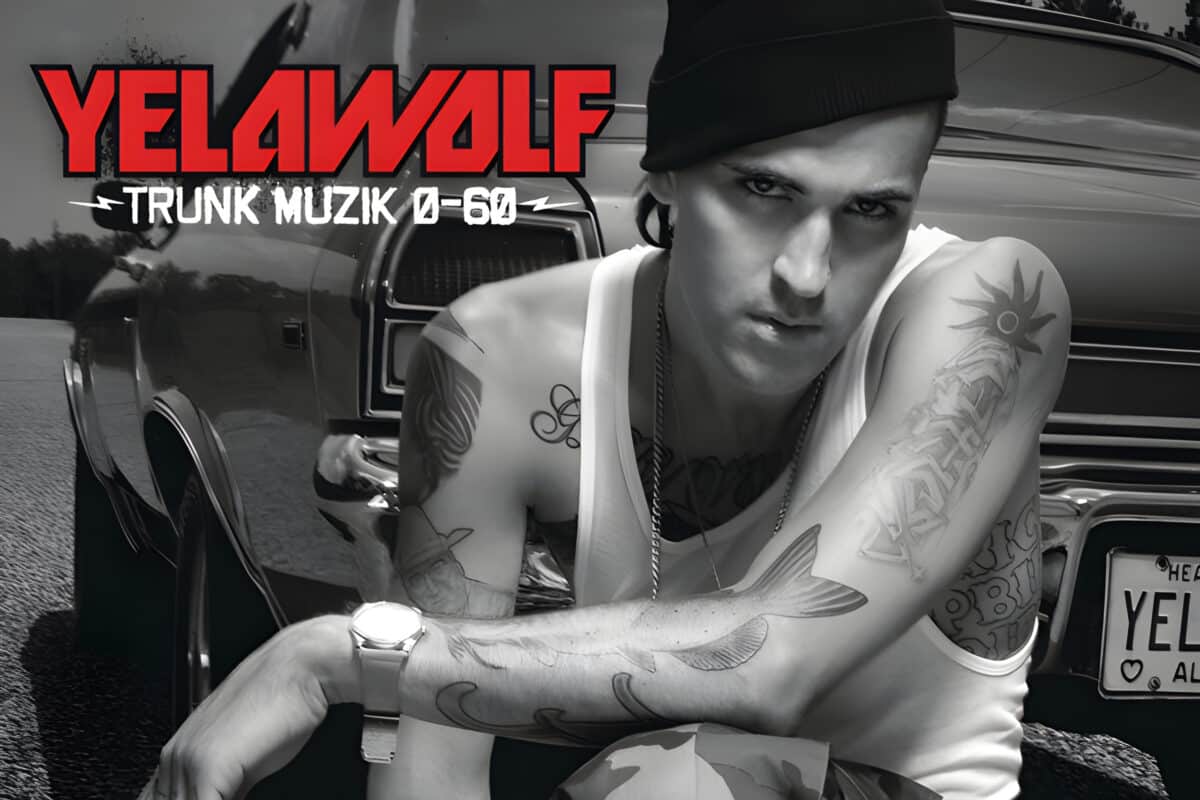



Released: 2010
Yelawolf’s “Daddy’s Lambo” serves as a playful narrative exploring the contrast between Southern culture and Beverly Hills opulence. The song focuses on Yelawolf’s character—an Alabama boy drawn to the glamour of a wealthy lifestyle—craving to experience it, if only by driving a rich girl’s father’s Lamborghini. Throughout the track, Yelawolf illustrates this cultural juxtaposition while playfully poking at wealth and privilege.
The song opens with a casual introduction from Yelawolf, making clear his rural background from the “Boondocks” and contrasting it with the flashy world of Beverly Hills. The phrase “Hillbilly in Beverly hills” is a clever oxymoron setting up the underlying tension and humor for the entire song. “Damn rich, peanut butter guts and a Lamborghini, woah,” quickly grabs the listener’s attention by referencing the luxurious, tan interior of a Lamborghini.
Yelawolf is playing with the metaphor “you must have white bread, let’s make a sandwich,” juxtaposing the everyday with luxury. It suggests a mix of cultures—white bread symbolizing basic simplicity with an expensive ‘filling’ (wealth). This playful image lays the groundwork for Yelawolf’s journey through luxury without belonging to it.
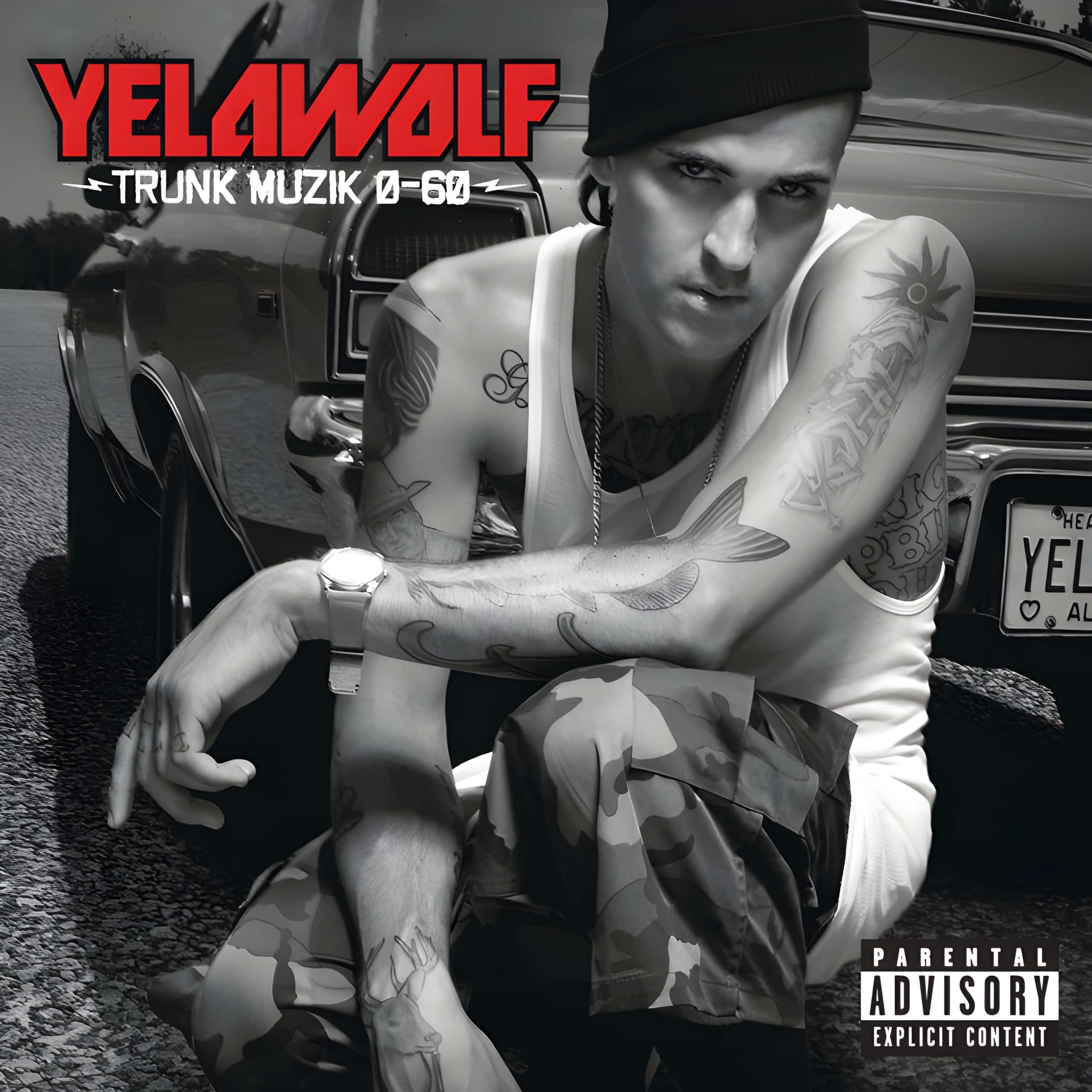
As the song progresses into the first verse, Yelawolf explores themes of envy and awe at the lavish wealth possessed by the people in Hollywood, much different from his hometown experience. His observations that “nobody got that kind of money in the Boondocks” underscore his outsider perspective. Yet, despite this wealth gap, he claims a sort of camaraderie with these rich celebrities by “appreciating the steps,” as opposed to simply riding their elevator of success.
The hook centers on a cheeky desire, repeating the question “Can I drive your Daddy’s Lambo?” Here, Yelawolf blends admiration and audacity, implying that access to this kind of luxury would be both thrilling and transgressive. It’s an emblem of acceptance and status he seeks from his wealthy counterpart, showcasing both a playful yearning and underlying commentary on societal divides.
In the second verse, Yelawolf highlights the excesses and lavish lifestyle in Beverly Hills compared to his modest roots. Lines about “waffle house” versus “Guys and Dolls” establish cultural dichotomy, indicating his awareness of how disparate these worlds are. While the “Waffle House” symbolizes everyday life and community common in the South, “Guys and Dolls” embodies the exclusivity of high society. He humorously proposes experiencing his world in “a Chevrolet,” implying authenticity and grounding against the glamour.
Continuing the narrative, Yelawolf deftly examines superficiality in his observation of people motivated by wealth. He describes an experience of mingling within this environment in the “party with rogue,” referring to subversively moving through affluent spaces despite being out of place. Yet, the core motive remains unchanged—to “drive your Daddy’s toy,” underscoring a longing to indulge in wealth’s privileges without truly being part of that world.
By the third verse, Yelawolf digs deeper into the paradox of being charmed and overwhelmed by material wealth. His description of a Prada tote and how it makes him “wanna turn this wine from water” implies the biblical connotation of turning something mundane into something miraculous—through wealth’s influence. The juxtaposition highlights how extravagance has the power to distort reality and seduce outsiders like him.
In conclusion, Yelawolf’s clever lyricism and charismatic delivery bring this social commentary to life. His invocation of pop culture icons, like “Rambo” and “Ricky Bobby,” furthers the parody. He playfully assumes a position where, through charm and wit, he can navigate this world even if just momentarily. Yelawolf’s wordplay provides an engaging listen while provoking thoughts on materialism, cultural contrasts, and aspirations.
“Daddy’s Lambo” underscores a humorous but honest conversation about wealth, privilege, and desire for acceptance within luxury without forsaking one’s roots. Yelawolf navigates this lyrical vehicle deftly, showcasing the lure of money while not forgetting where he came from, maintaining a fine balance of appreciation and critique.