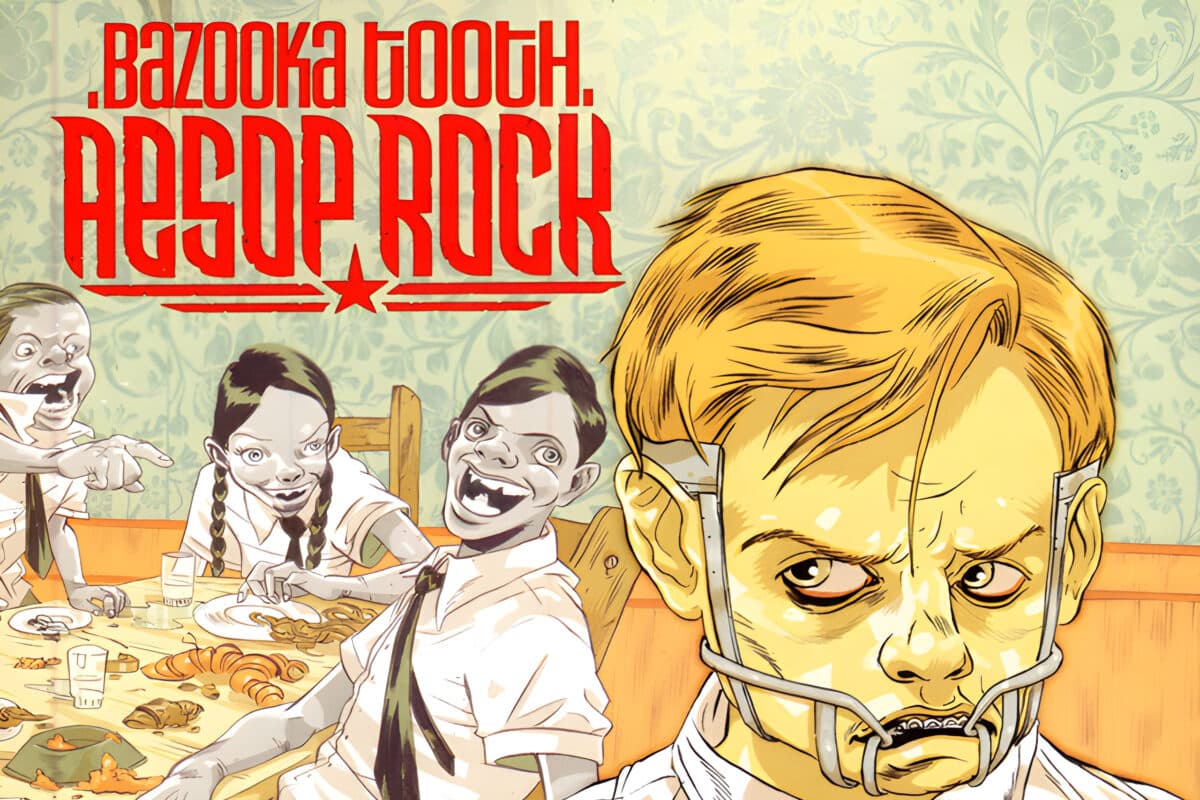



Released: 2003
Aesop Rock’s “No Jumper Cables” dives deep into a labyrinth of metaphors and symbolic language, a true reflection of the chaotic and sometimes abrasive modern life, underpinned by an inherent rebellious spirit. This song paints a vivid, albeit abstract, picture of Aesop’s commentary on societal norms, personal struggles, and the fight for artistic authenticity amidst consumer culture.
The hook, “No batteries, no jumper cables,” resonates with a message of self-reliance and resilience. It’s a metaphor for living life without needing artificial support, emphasizing independence. Aesop implies a refusal to depend on superficial or temporary fixes, advocating for self-sufficiency amidst a system designed to suppress individual creativity and originality.
Opening the song with “Burn train buffers / My fancy,” Aesop Rock immediately sets a scene filled with urban imagery and gritty realism. The phrase “Burn train buffers” conjures up images of rebellious graffiti artists defying the dull monotony of urban life. “Up jumps the boogie delivering eye jammies” blends hip-hop’s cultural dance roots with violence, indicating the disruptive and sometimes harsh nature of breaking norms.
In “Walk through the muck with a clutch on a trident,” Aesop portrays himself as a mythical figure or a warrior. The “muck” signifies life’s struggles, while “trident” may symbolize strength and readiness to battle societal or personal challenges. He follows up with “Never give a fuck how far Pi went,” dismissing trivialities in life, asserting that what matters is how one navigates their own path.
“Uprock, sidewalk cycles stuck at the bus stop,” alludes to street culture and stagnation within societal systems. “Wookie foot must not sleep” mixes Star Wars imagery with the concept of vigilance, stressing the need to stay alert in a world that continuously tries to lull people into passivity. The reference to “no batteries, no jumper cables” emphasizes going against this complacency.
Moving forward, “Choke train buffers like a headlocked Ed Koch” taps into a historical moment with Ed Koch, New York City’s former mayor, known for tough policies that often rubbed against street culture, particularly the graffiti community. “Cave painters screaming ‘Loosen the cuffs!'” calls back to primitive artists whose spirit is embodied in contemporary urban creatives demanding freedom from societal constraints.
“Limo tint stretch Delorean chrome sittin on twenties” paints a picture of juxtaposition between luxury and time travel, perhaps reflecting on consumer culture’s obsession with material wealth and escapism. It’s Aesop Rock’s commentary on the superficial allure of materialism versus genuine, meaningful pursuits in life.
As Aesop navigates through a variety of references, including “Dino DNA and cola, straight no chaser,” he evokes the intertwining of past and present consumerism with dinosaur fossils and modern cola beverages. It’s a satirical nod to the often incongruous mashup of culture and commerce, as if everything in life is commercialized or a commodity.
The “Junkyard Dog. Hot tin roofs cradle kittens with them sub par flaws” illustrates a duality where both rough and tender elements coexist, likely referring to how flawed yet precious individuals can thrive in adverse environments. “Rappin is my radio, graffiti is my TV,” asserts Aesop’s stance on traditional media’s shortcomings, opting for hip-hop and graffiti as his primary channels for truth and self-expression.
In conclusion, “No Jumper Cables” serves as a tapestry of rich imagery and cultural references that challenge the listener to explore deeper themes of self-sufficiency, resistance, and authenticity in an increasingly commercialized world. Aesop Rock, known for his dense and complex lyricism, uses the track to create an auditory canvas that leaves listeners both questioning and reflecting upon the intricate relationship between art, society, and individuality.