


Released: 2023
“Coat I Would Buy” by Joeyy weaves a tapestry of defiance, individuality, and personal codes, juxtaposed with elements of modern street culture. The lyrics project an aura of rebelliousness, rooted in staying true to oneself despite societal expectations and external judgment. Joeyy combines themes of authenticity and personal identity with materialistic symbolism, while portraying an attitude of resilience and nonconformity.
The hook of the song establishes a core mantra—’by the code I abide.’ It is a declaration of allegiance to his own set of principles, a vow to remain unchanged regardless of external pressures. Joeyy is emphatic about this notion, with repetition that drives home the importance of staying true to one’s values amidst societal expectations and influences. It’s like a verbal badge of honor that speaks to loyalty and self-integrity.
As the song kicks off, Joeyy explains that he chooses to be polite not just out of courtesy but because it’s genuinely ‘nice to be nice.’ This highlights a deliberate decision to foster positivity. Yet, the money he earns attracts negativity from others, portraying a classic struggle between success and envy. He uses the metaphor of a ‘crackhead’ and his ‘pocket’ being the ‘pipe,’ suggesting a certain dependency or inseparability from his wealth.
He goes on to describe the importance of staying true to himself with the assertion that he’d ‘rather drop dead than switch’ his side. It’s a vivid illustration of steadfast loyalty. Joeyy further interprets ‘true love’ and the authenticity of experiences, even down to recognizing the quality of pills by their ‘color and size.’ The connection is deeply personal, equating emotional authenticity with physical, sensory knowledge.
Joeyy injects a bit of levity with the imagery of a ‘sherpa lined coat,’ saying it makes him feel ‘fuzzy inside.’ This could imply warmth and comfort that aligns with staying true to himself. This line paints an internalized sense of well-being, one that stems from a mix of inner satisfaction and perhaps, self-indulgence, reminiscent of simple pleasures bringing true joy.
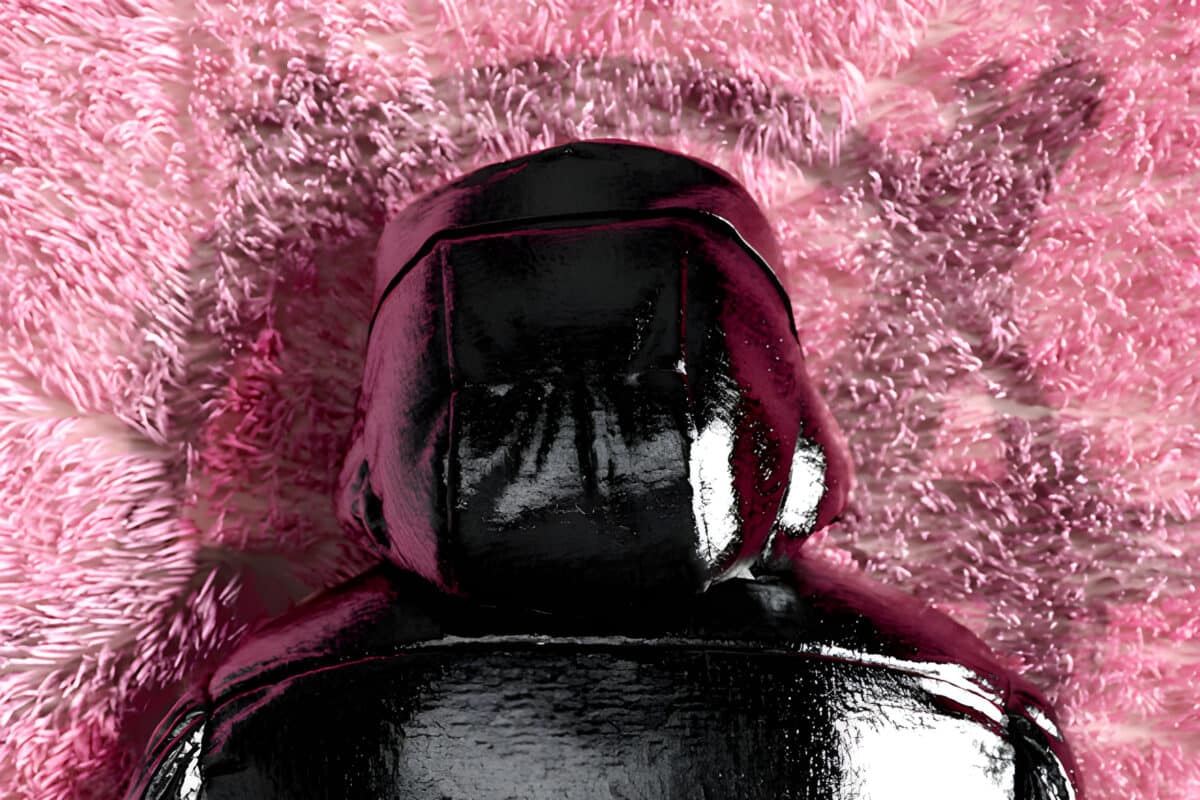
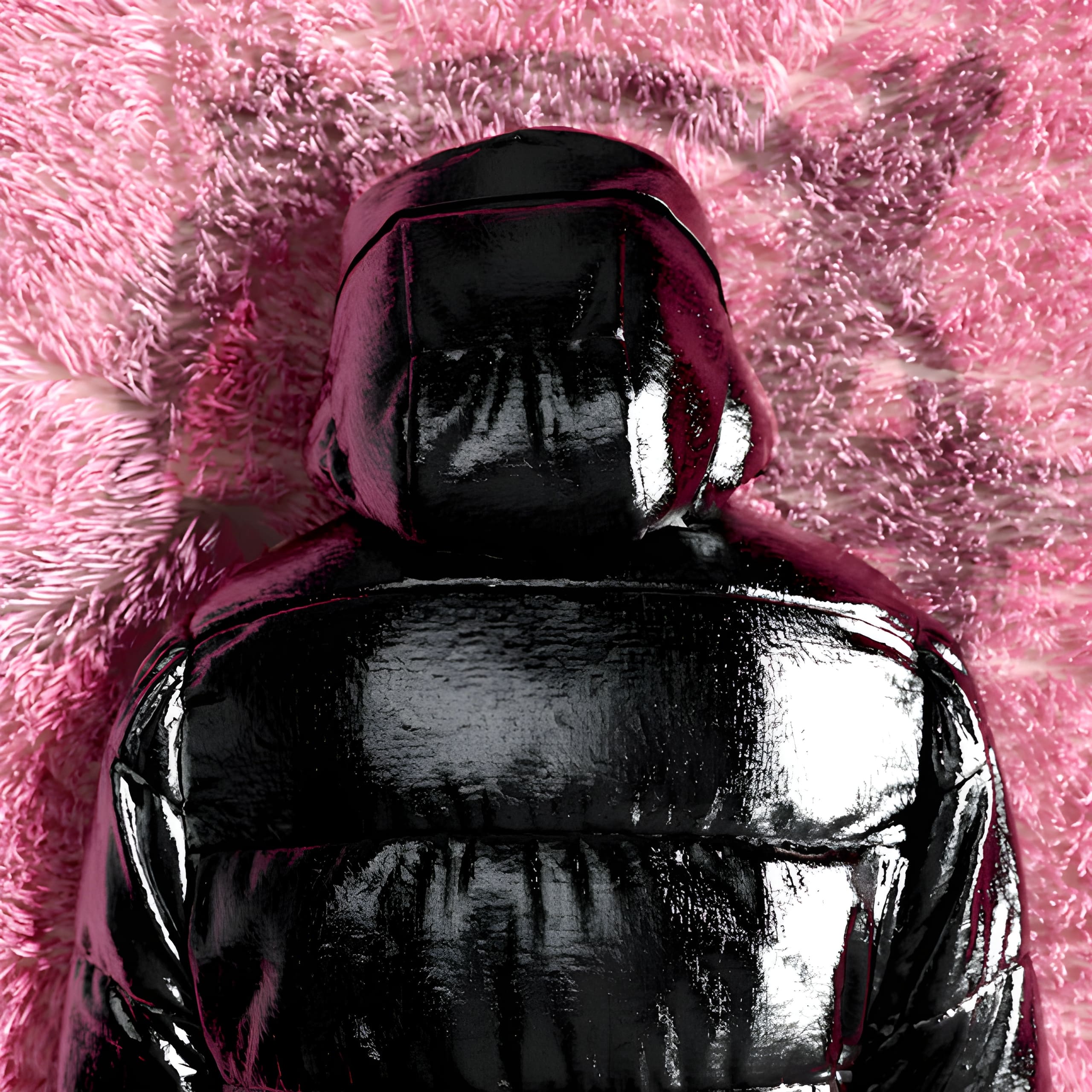
The recurring reference to the ‘black trash bag’ looking like a ‘coat’ that he would buy carries significant symbolic weight. It suggests a rejection of conventional standards of value and aesthetics. What may seem disposable or worthless to others is prized by Joeyy, again echoing the themes of nonconformity and redefining worth according to personal principles rather than societal norms.
The mention of ‘500 faces in the crowd’ who ‘sing’ his song underlines the influence he has amassed, yet simultaneously feels detached or misplaced among the very audience that echoes his work. It highlights the duality of being recognized but not entirely understood, or the dissonance between his true self and public persona.
Joeyy’s lifestyle elements, like needing ‘a cup and a couch to lie on,’ illustrate his need for comfort amidst the chaos. The line ‘Act chill, nails manicured like the front lawn’ injects an air of maintained composure and outwardly appearances while suggesting there’s more beneath the surface—an orchestrated exterior to align with societal decorum.
Addressing issues like consumer culture, Joeyy makes references to ‘stepped on drank’—indicating diluted or impure experiences that he’s encountered. He mentions that he’ll never fit into certain ‘jeans’ but can’t move on, signifying a struggle between desire and reality. However, his willingness to still ‘wear ’em’ conveys defiance and embracing imperfections, reinforcing his overall theme of nonconformity.
To wrap up, “Coat I Would Buy” is an intricate blend of authenticity, individualism, and resilience. Joeyy conveys his worldview, crafting a narrative around sticking to one’s principles amidst the trappings of success and the eyes of public scrutiny. Through clever wordplay and cultural references, he bridges personal and universal themes, illustrating that true richness lies not in possessions or public approval but in staying loyal to one’s self-defined ‘code.’