


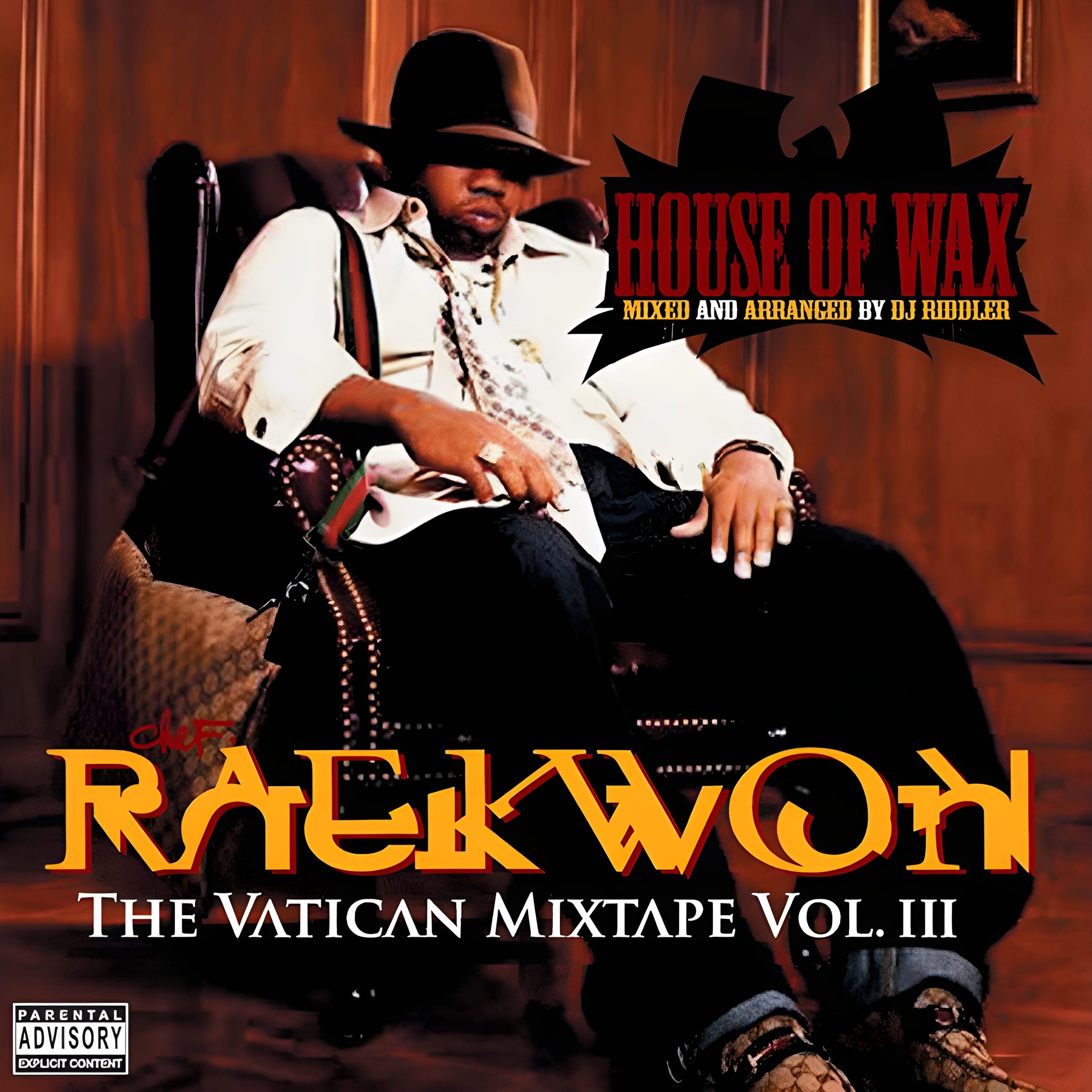
Released: 2007
In “Make You Pay,” Raekwon explores themes of betrayal, power, and resilience, all wrapped up in a world of luxury and street life. He ruminates on personal experiences, intertwining his past hardships with his present success, delivering a gritty and reflective take on life and loyalty in the hip-hop industry.
Starting with the intro, Raekwon sets the tone by touching on love and the accompanying pain. It hints at the complex relationship he has with those around him, the expectations of loyalty, and the emotional turmoil that sometimes follows. He uses phrases like “For lovin you my life” and “Make you pay,” emphasizing both devotion and retribution in personal relationships, setting up a juxtaposition between affection and anger.
The opening verse dives into Raekwon’s world, full of hood experiences and the grit of street life. He mentions “hood niggas” and “good niggas,” implying a distinction between those who are deeply involved in street culture and those who navigate the complexities of their environment with a sense of morality. Raekwon describes a world where luxury and survival intertwine – with “money green leathers” and “gloves on,” indicating wealth, caution, and the ongoing hustle. The references to “hood bitches” and “Chickens love rims” paint a picture of attraction and materialism that are prominent in his community.
In his verses, Raekwon shows allegiance to the rap game and its truest followers. By stating, “Fuck them niggas who ain’t,” he draws a line between the real and the fake, cementing his commitment to authenticity in the industry. The imagery of “dumped in the biggest river” showcases a ruthlessness, where those who cross him are metaphorically removed from his life, echoing themes of revenge and dominance.
Continuing through the verse, Raekwon weaves in experiences with opulence – “Pull up in big benzes,” “caviar, poppin shrimp” – yet he doesn’t shy away from his origins or the tough reality of his past. It’s a celebration of triumph over adversity, his past difficulties propelling him into the position he holds today. The repeated question, “Who want the chair now,” suggests that despite challenges, he’s maintained his seat at the top, undeterred by any detractors.
The chorus repeats with a longing and regret tied to both love and loss. Phrases like “Make you pay” coupled with “Is the pain for heaven” evoke a sentiment where Raekwon expresses hurt from the betrayal or departure of loved ones, suggesting a heavy burden carried by their absence. It ties back to the intro, reinforcing the complexity of personal relationships.
In the second verse, Raekwon doubles down on his distinctive style and ability to deliver “guaranteed dope shit.” The self-assuredness of “Clean Prada jeans on, Relentless” speaks to his sustained relevance and fashion within the rap industry. His “Park Hill-ness” is a nod to his roots, highlighting the enduring influence of his hometown of Staten Island on his persona and music.
As the verse progresses, Raekwon nods to his affiliations, calling out names like “RZA, Ghost, Meth,” showcasing his deep ties within the Wu-Tang Clan. This connection highlights his continued collaboration with iconic figures, suggesting that their shared vision and bond keep them strong within the rap world.
His words, “Most of us just got skill with it,” speaks volumes about his confidence in the talents and capabilities of himself and his crew. “Throw the vest on, I still get em” implies a readiness to protect what is his while being poised for any threats. He paints a picture of calculated preparation, whether it’s protecting his domain or going head-to-head with adversaries.
Ultimately, “Make You Pay” serves as a vivid illustration of Raekwon’s journey from street hustler to rap royalty, characterized by opulence, pain, and unyielding loyalty. His gritty depiction of life juxtaposes street savvy with triumph, making it a track that underscores the tenacity and layered complexity of his character within hip-hop culture. This song is not just a reflection of Raekwon’s experiences, but also an exploration of the broader dynamics of power and loyalty in the world he inhabits.