

Released: 2026
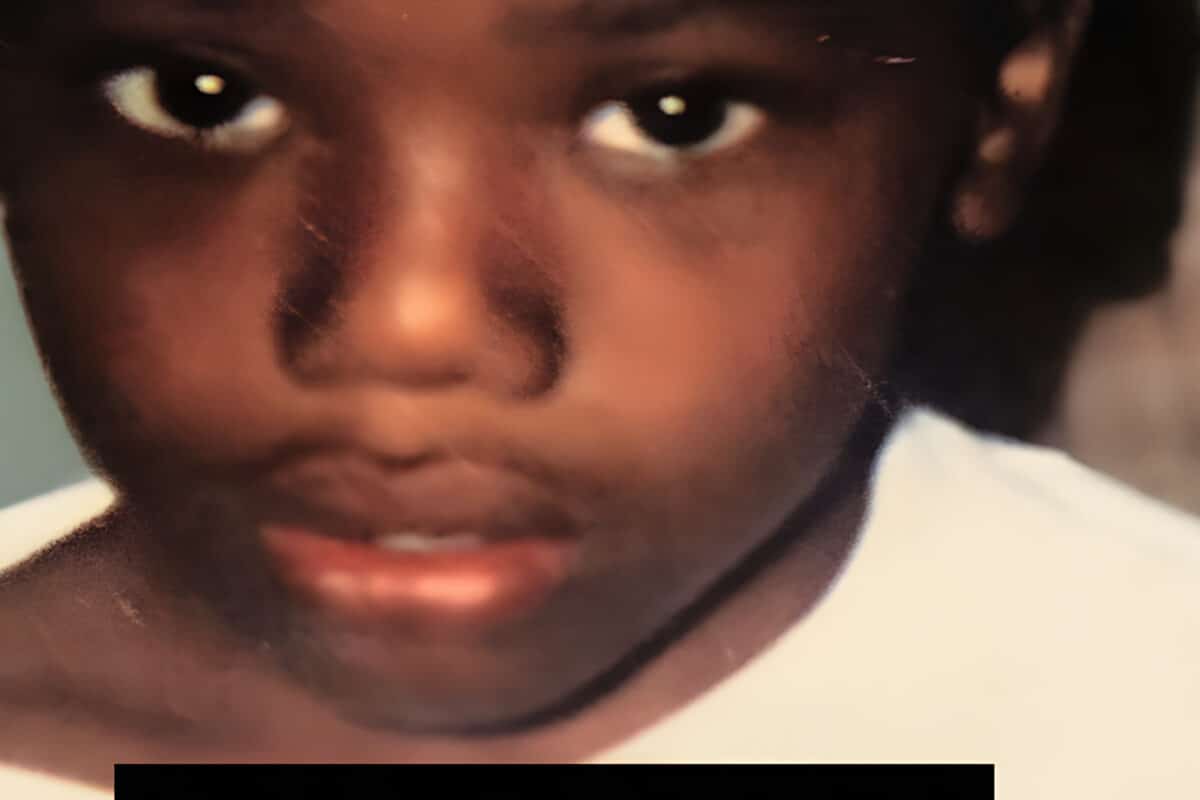
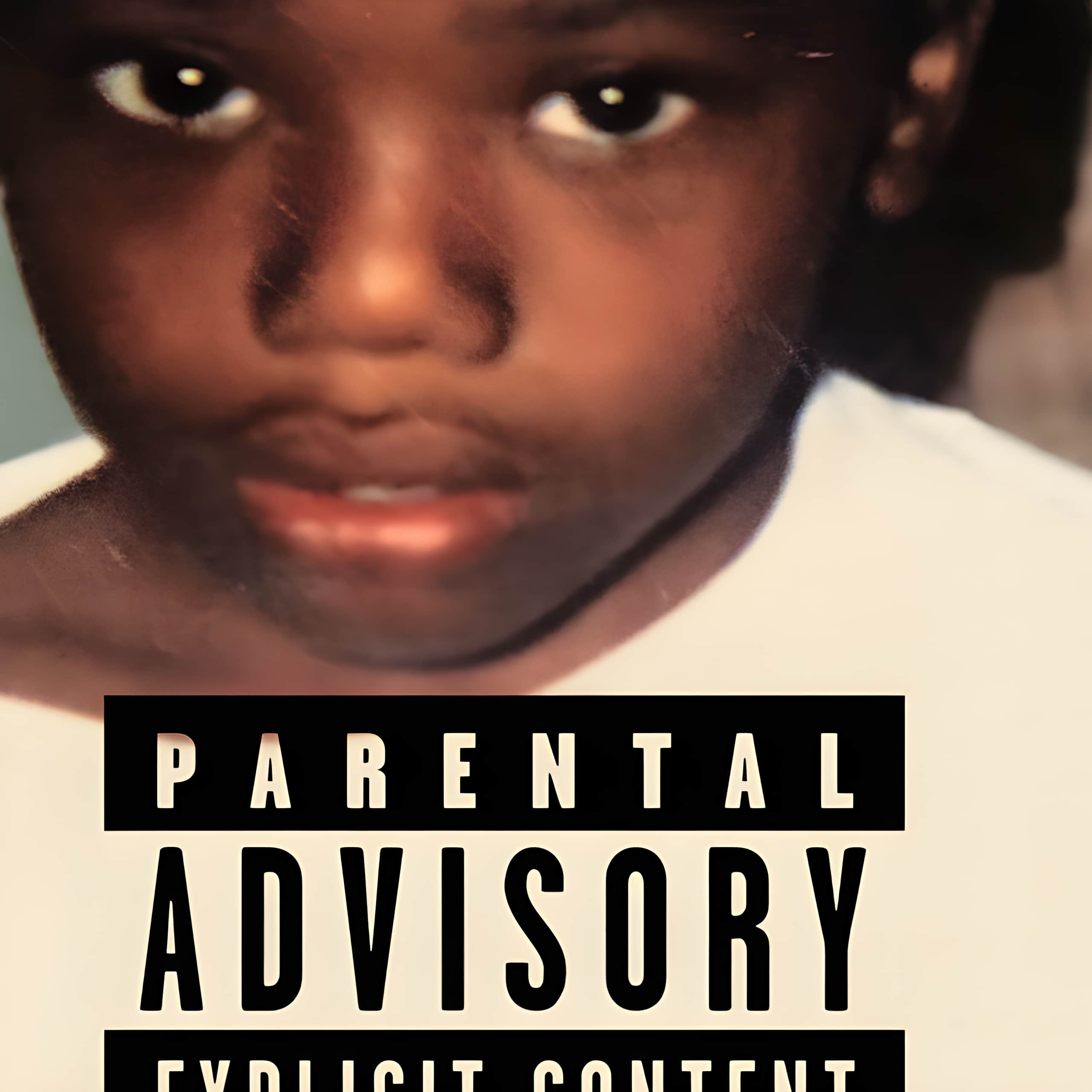
“Birds & the Bees” by Baby Keem is a rhythmic exploration of fleeting relationships, youthful encounters, and a laid-back lifestyle characterized by whimsical imagery. Keem employs clever wordplay and metaphors, using themes of nature to discuss intimacy and personal dynamics.
The hook, which opens and recurs throughout the track, sets a playful and almost whimsical tone. Phrases like “honey, honey, out on the sea” suggest an image of someone distant yet intriguing. The reference to the ‘Doldrums,’ a region of calm seas, could be a metaphor for a period of inactivity or thoughtfulness, as he and his love interest contemplate their connection.
In the initial verse, Baby Keem outlines a narrative that paints a weekly timeline. It’s as though he’s orchestrating a rendezvous plan from Monday through Saturday. Each day builds anticipation towards Saturday, where the titular ‘birds and the bees’—a euphemism for sex and intimate relations—are explored. Here, Keem’s clever use of days makes the mundane appear like an intentional build-up, which is indicative of his narrative style.
The phrase “I ain’t mad, I ain’t mad, I ain’t mad, I ain’t mad” repeated emphatically reveals a contradictory layer to his emotions. Though he’s asserting calm, the repetitive emphasis hints at frustration with deceit or unsatisfied curiosity. This might be directed at someone who’s constantly questioning or challenging him.
Keem throws a jab at those who can’t accept or comprehend his enigmatic lifestyle. “I hate a curious bitch, always askin’, ‘What’s that?'” suggests a disdain for incessant questions, and there’s a revealing honesty in how he perceives such curiosity as irritating, potentially from partners or critics of his persona.
He also discusses his identity with the line “When I say that I am Boo, that mean I’m never comin’ back,” implying an aspect of finality. When Keem is gone, he’s truly gone. It signifies an unapologetic closure to relationships or expectations when things don’t align with his outlook.
Keem blends imagery with straightforward storytelling when referencing relationships past and present. A line like “Shawty keep that dawg in the kennel” uses colloquial slang for fidelity or commitment. In the context of relationships, keeping a ‘dog’ means holding onto what’s secure.
In discussing the luxurious transitions from driving a ‘Honda’ to maintaining a freer lifestyle, he conveys success and its ramifications on relationships. This juxtaposition suggests that the wealth hasn’t changed the essential dynamics of who he connects with, but rather underscores the shift in external perceptions and opportunities.
The later sections echo sentiments of perceived success and external judgment. A notable example is when Keem describes a woman’s ego and compares a clown-like boyfriend to B.o.B, using both humor and insult. It underscores his opinion that some romantic partners don’t live up to perceived standards, a common theme in hip-hop reflecting personal judgments.
Concluding the track, the lyrics return to nature-themed metaphors, ‘honey, honey, up in the trees’—signifying a dreamy state. Here, it is reflective of a search for purpose or happiness, where ‘food for the bee’ suggests nourishment or satisfaction that stems from deeper connections or fulfilled dreams. Through such lines, Baby Keem intricately ties simple visuals to complex human emotions and life experiences.