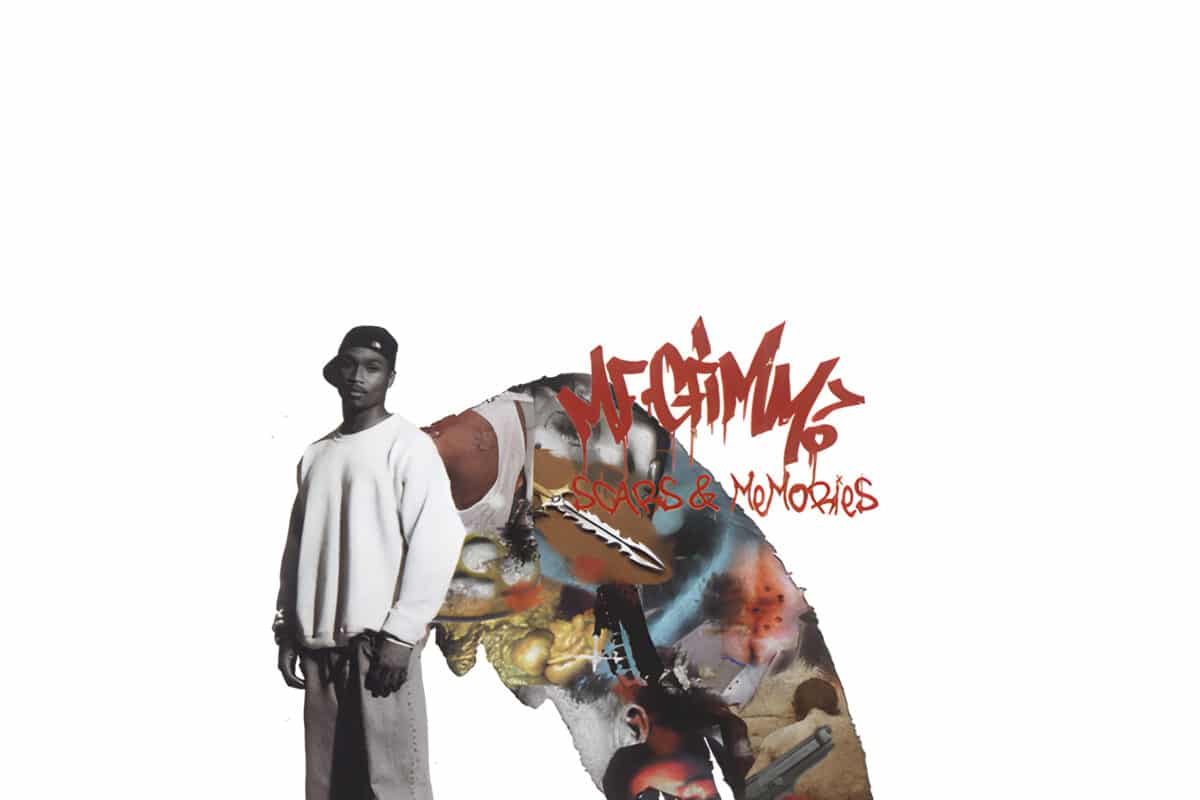



Released: 2005
“Do It For The Kids” by MF Grimm is a track that delves into the harsh realities and brutalities of street life, capturing the intense struggle and often grim outcomes faced by those entangled in its web. The lyrics present a juxtaposition between the innocence of childhood and the harshness of adult life in the streets, as MF Grimm attempts to protect young minds from the complexities and dangers he raps about. It’s a vivid portrayal of violence, loss, and the relentless grind to survive, meant as a raw depiction rather than a glamorization.
Starting with the line “Yo, put the kids to bed,” MF Grimm immediately sets the stage by signaling that what follows is unsuitable for children. This serves as a thematic precursor, suggesting that the realities he discusses are harsh, perhaps inappropriate for the innocence associated with youth. He frames this rhyme as something not meant for young ears, effectively making it clear that this is an unfiltered dive into adult issues.
The first verse throws listeners into a world of violence and death. Grimm paints a picture of assassination and betrayal, capturing a morbid yet realistic scene of loss and aftermath. He refers to a situation where someone is killed and the dynamics that unfold with the widow, possibly commenting on the emotional detachment and the fleeting loyalties within the harsh realities of his environment. It’s a gritty and direct representation of street ethics and consequences.
MF Grimm introduces themes of homicide and spirituality, implying that although someone may be physically gone, the spiritual remnants linger with both the victim and the perpetrator. He touches on the frustration of the deceased, suggesting a feeling of betrayal even in the afterlife, hinting at an internal conflict about revenge and peace, thus exploring deeper metaphysical elements of crime.
In the chorus, Grimm’s recurring plea to “do it for the kids” can be seen as an earnest invocation for change. He’s recognizing the ongoing cycle of violence that consumes those on the streets and expressing a desire for a better future, or at the very least, an acknowledgment of the next generation. It also points towards his understanding of legacy, highlighting how these life stories will affect future youths unless change occurs.
Grimm’s references to ‘Tech Nite dreams and Mac 11 wishes’ underline a vivid imagery of the type of weaponry that populates his world, stressing how deeply ingrained violence is in the psyche of those involved in street life. By using the weapons’ names, he conjures images of firepower that signify both power and danger. It’s an essential illustration of the longing for control or dominance in a chaotic environment.
Throughout the verses, MF Grimm grapples with personal demons, referring to friends lost to violent crimes and the void they leave behind. He talks about his lifestyle with a tinge of nostalgia, mingled with bitterness. His line about friends lost hints at an endless cycle of vengeance and mourning. The notion of living day-to-day underscores a lack of stability and a future clouded with uncertainty.
In this narrative, MF Grimm places significant weight on authenticity. The lyrics touch upon how “platinum” or material success means little if achieved through inauthentic means. The existential questioning here is palpable, as he draws parallels between the fraudulent success in life and a broader questioning of purpose and morality in street culture.
His line “Fuck World War I or World War II, see, ’cause rappers gotta deal with World War Me” conveys the idea of an internal struggle, akin to a world war, indicating a massive internal conflict. The imagery of a mental battlefield speaks volumes about the psychological burden of living a life surrounded by constant threat and how it impacts one’s mental state.
The closing verses capture a sense of defiance and urgency, highlighting MF Grimm’s plea to preserve the innocence of youth. While his music is meant to represent reality, it’s not intended to influence or corrupt the young, signifying his belief in shielding them from prematurely facing harsh truths. In the end, Grimm cleverly switches from hardcore rhymes to proposing a simple, wholesome alternative like watching “The Fresh Prince of Bel-Air,” underscoring a desire for simplicity and joy away from turmoil.