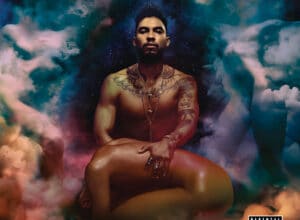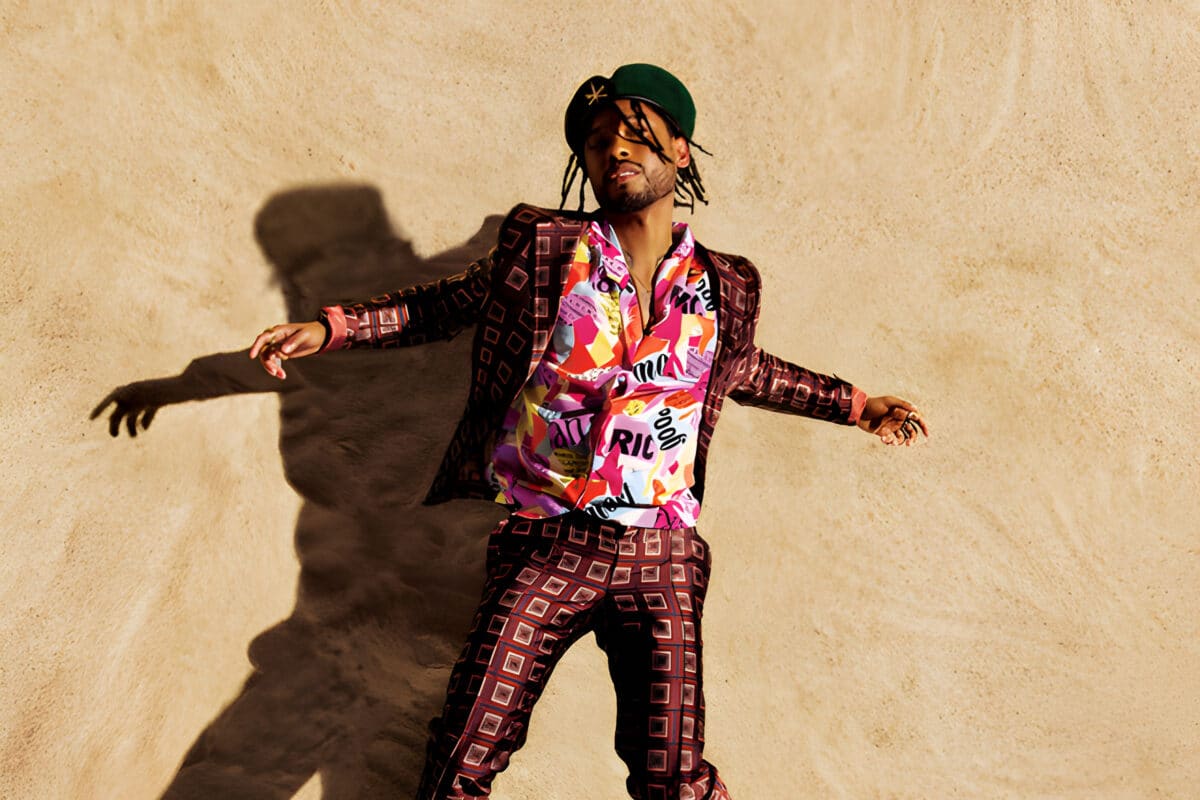



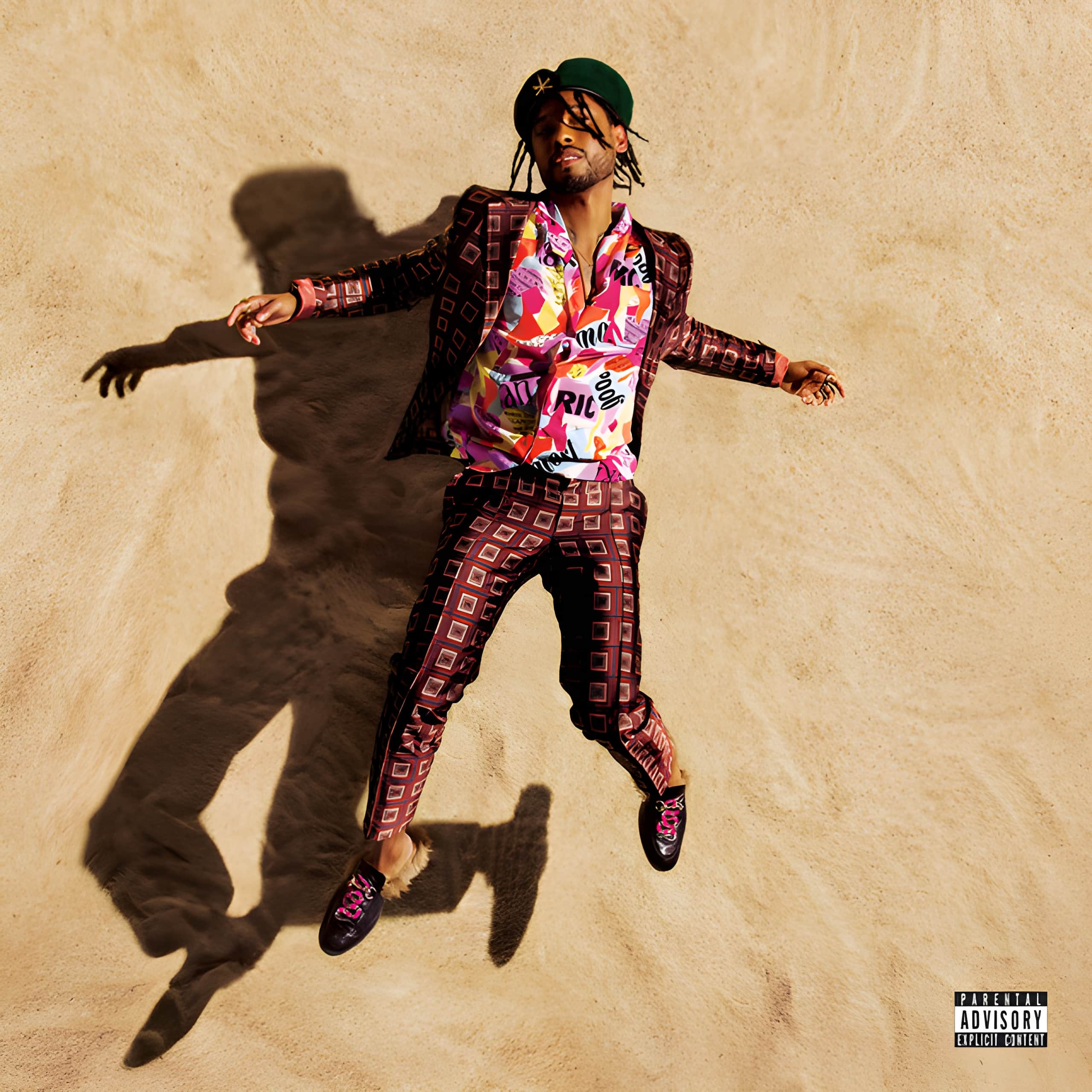
Released: 2017
Miguel’s ‘Told You So’ is a rhythmic exploration of freedom and the intricacies of desire. It teeters between the yearning to liberate a loved one while subtly warning them of the consequences that come with indulging their whims. It’s an intoxicating blend of soulful melody and cautionary storytelling that captivates listeners, urging them to consider the dual nature of freedom and desire.
The hook, repeated throughout the song, highlights a sentiment that feels both teasing and cautionary: “I don’t wanna say I told you so, but I told you so.” This phrase, colloquially understood as an ‘I warned you’ gesture, sets the tone for the entire track. It speaks to a certain prescience the narrator holds about the choices of their partner and the consequences that inevitably follow. It’s a powerful motif that hooks the listener and weaves a thread of suspense throughout the song.
The first verse opens with Miguel’s proclamation to ‘show you the world,’ presenting a romantic vision filled with all possible desires. He emphasizes not wanting to control, but rather to set his partner free, which positions him as a liberator rather than an oppressor. This desire to unleash freedom is paradoxical, as freedom in itself is a concept often laden with complexity. He gently warns that while pleasure is there for the taking, it often comes with its own cost, an assertion made clear in his intimate gaze, full of desire and forewarning.
Moving into the second verse, Miguel deepens the sense of familiarity and understanding of his partner. He repeats his stance against control and stresses freedom again. Yet, the notion of ‘devilspeak on my tongue’ introduces an edge, suggesting a potential deception or allure in his words, tempting but dangerous. This duality enhances the song’s tension between freeing someone and seducing them into a path of consequences.
The chorus repeats Miguel’s contemplative hesitation to say ‘I told you so,’ further emphasizing the preemptive nature of his warning. It’s as though he already knows the path his partner will take, highlighting an inevitability that listeners might interpret as both resignation and foresight.
Later in the song, the bridge reinforces Miguel’s personal intentions, declaring ‘I got plans for you.’ These plans suggest both care and calculated foresight, offering a balance of tender love and strategic mapping. It adds another layer to his relationship dynamics—there’s intention behind every action, implying a crafted journey of experience that awaits the listener or partner.
The repeated notion of having plans contrasts sharply with the notion of setting someone free, almost like Miguel is mapping out an inevitable trajectory of experiences under the guise of liberation. It’s a clever narrative that explores control versus autonomy in relationships, making it deeply relatable to many listeners who navigate similar themes.
In another section, Miguel emphasizes ‘every pleasure you taste has its price,’ which echoes age-old sentiments about indulgence and consequence. Here, he’s both an advocate for experiencing life fully and a prophet of the impending results, suggesting wisdom beyond the immediate pleasures.
Throughout the track, Miguel’s vocals, characterized by his distinctive smooth yet assertive delivery, underscore the duality of desire and caution. His emotional depth is palpable, driving the track’s complex themes into the listener’s consciousness. The phrase ‘I told you so’ serves not just as a refrain but a haunting reminder of consequences lurking behind sweet offerings.
To wrap up, Miguel’s ‘Told You So’ navigates a world where desires are freely pursued but come with unspoken warnings. It captures the seductive yet dangerous allure of complete freedom. While there’s a suggestion of hope, it is shaded by an awareness that life’s pleasures come with unavoidable costs. The track, situated within the larger canon of Miguel’s work, fits well into his consistent exploration of love, sensuality, and existential introspection. The song asks listeners to weigh the excitement of desire against the eventual outcomes, a balance that is as much philosophical as it is lyrical.